
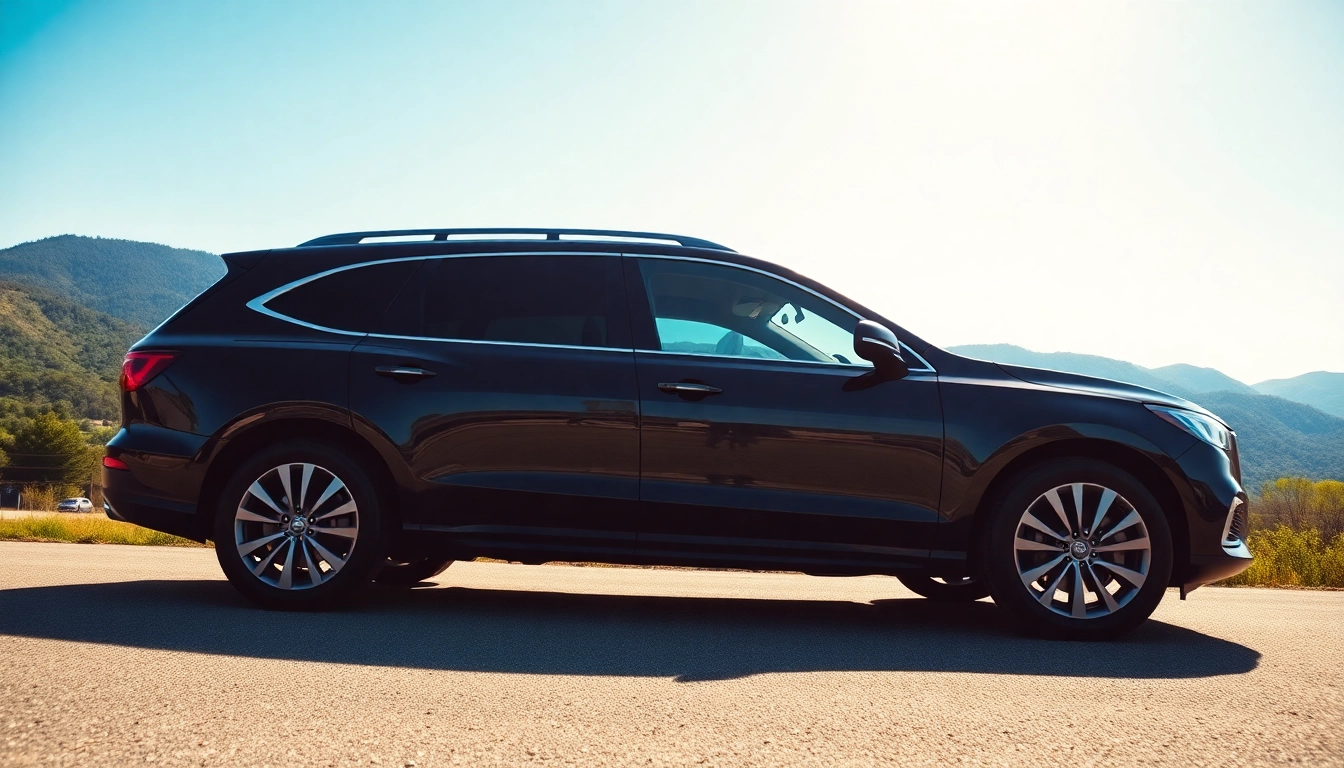
Introduction to Window Tint Chattanooga
When it comes to enhancing your vehicle’s aesthetic appeal and comfort, window tint Chattanooga plays a pivotal role. This innovative modification not only transforms your car’s appearance but also brings along a host of functional benefits. This article delves into the essentials of window tinting, its advantages, legal considerations specific to Chattanooga, and tips for selecting the ideal tint for your vehicle.
What is Window Tint?
Window tint is a thin, adhesive film applied to the interior of automobile windows, designed to reduce the amount of light that enters the vehicle. It comes in various shades, colors, and materials, catering to both aesthetic preferences and performance needs. The primary function of window tint is to filter out harmful UV rays, thereby protecting the vehicle’s interior and improving occupant comfort.
Benefits of Window Tint
Window tinting offers several advantages beyond visual enhancement. Here are some of the primary benefits:
- UV Protection: Tinted windows block up to 99% of harmful UV rays, protecting both your skin and the interior materials of your vehicle.
- Heat Reduction: By reflective properties, window tint can significantly reduce the heat inside the car, making it more comfortable during hot days and reducing air conditioning costs.
- Glare Reduction: Window tint decreases glare from the sun and headlights, enhancing driving visibility and safety.
- Privacy: Tints vary in opacity, providing a level of privacy by limiting visibility into your vehicle from the outside.
- Enhanced Aesthetics: A sleek tinted window can add a polished look to your vehicle, increasing its overall appeal.
Understanding Tinting Laws in Chattanooga
In Chattanooga, specific regulations govern window tinting to ensure safety and visibility. The law specifies allowable VLT (Visible Light Transmission) percentages, which indicate how much light can pass through the window. Generally, front windshields must allow more than 35% of light in, while other windows may have different rules. Adhering to these guidelines is crucial to avoid fines and ensure road safety. Always check local laws before applying window tint to guarantee compliance.
Choosing the Right Window Tint
Choosing the right window tint involves a careful assessment of various factors, including the type of tint available, specific needs, and efficiency. Understanding the options can significantly enhance your experience and satisfaction.
Types of Window Tint Materials
Window tint materials are generally categorized into several types:
- Dyed Film: This is the most common and cost-effective type of window tint. It uses dyes to color the film, providing privacy and a darkened effect but with limited heat reduction.
- Metalized Film: This type includes metallic elements that reflect sunlight and improve heat resistance. It offers better durability compared to dyed films.
- Carbon Film: Carbon window films provide enhanced UV protection and heat rejection, without interfering with electronic devices.
- Ceramic Film: The most advanced option, ceramic films offer superior performance regarding UV and heat rejection without a reflective appearance, making them a popular choice among luxury vehicle owners.
Factors to Consider for Selection
When selecting window tint, consider factors such as:
- Desired Privacy Level: Think about how much visibility you want from the outside versus how much light you want to allow in.
- Heat and UV Resistance: If you live in a hot climate, select a film that provides optimal heat and UV protection.
- Budget: Prices vary significantly among different types of window films; consider your budget while maintaining quality.
- Local Regulations: Ensure the tint you choose complies with Chattanooga’s tinting laws.
Energy Efficiency and Window Tint Chattanooga
Investing in window tint can significantly improve your vehicle’s energy efficiency, particularly by minimizing reliance on air conditioning. By limiting solar heat entry, tinted windows keep interiors cooler, thereby reducing fuel consumption and improving overall vehicle performance. Research shows that cars equipped with high-quality window tint can maintain a stable internal temperature more effectively than those without, thus offering a more enjoyable driving experience.
Professional Installation vs. DIY Tinting
When it comes to window tinting, you have the option of professional installation or taking on a DIY approach. Both choices come with their own set of advantages and challenges.
Advantages of Professional Installation
Professional installation ensures a seamless, flawless finish without bubbles or creases that often accompany DIY attempts. Other benefits include:
- Expertise: Professionals have the experience to choose the right film and apply it correctly.
- Warranty: Many professionals offer warranties on their work and the materials used, providing peace of mind.
- Compliance: Professionals are knowledgeable about local laws, ensuring your tint adheres to regulations.
Steps for DIY Window Tinting
If you opt for the DIY route, ensure you have the right tools and follow these steps:
- Gather materials: You will need a window tinting film, utility knife, spray bottle with soapy water, a squeegee, and a heat gun.
- Clean the windows thoroughly to eliminate any dirt or debris.
- Measure and cut the film according to your window dimensions.
- Spray the window with soapy water and apply the film.
- Use the squeegee to remove air bubbles and excess water, heat edges if necessary for a tighter fit.
Cost Comparison: Professional vs. DIY
Professional installation costs typically range from $100 to $400, varying based on the type of film and vehicle size. Conversely, DIY installation costs can be lower, with film prices around $30 to $150, depending on the quality. However, while DIY may seem cost-effective, the risk of improper installation can lead to future costs and complications.
Maintaining Your Window Tint
Proper maintenance of your window tint is vital for maximizing its lifespan and effectiveness. Simple care can go a long way in keeping your tint looking its best.
Care Tips for Longevity
To maintain your window tint, follow these tips:
- Allow the tint to cure for at least a week before cleaning to avoid peeling.
- Use a soft microfiber cloth or sponge with mild soap and water to clean the surface.
- Avoid harsh chemicals or abrasive materials that may damage the film.
When to Seek Professional Help
If you notice bubbling, peeling, or discoloration, it may be time to consult a professional. Early intervention can prevent further damage and extend the life of your tint.
Common Issues and Solutions
Here are some common window tint issues and their solutions:
- Bubbles: Often occur due to moisture trapped during application. Use a pin to gently puncture bubbles and smooth them out with a squeegee.
- Peeling: Caused by improper installation or cleaning. If significant peeling occurs, replacement may be necessary.
- Discoloration: May result from low-quality films. Ensure you choose high-quality products from reputable sources.
FAQs About Window Tint Chattanooga
What are the benefits of window tint?
Window tint offers UV protection, reduces glare, and enhances privacy while improving your vehicle’s aesthetics.
How long does window tint last?
Properly installed window tint can last anywhere from 5 to 15 years, depending on the material and conditions.
Is window tint legal in Chattanooga?
Yes, but it’s crucial to adhere to the specific tinting regulations established by local laws to avoid fines.
Can I install window tint myself?
While DIY installation is possible, professional installation typically ensures better results and longevity for your tint.
How much does window tinting cost?
The cost of window tinting varies based on the type of tint and car size, generally ranging from $100 to $400.