
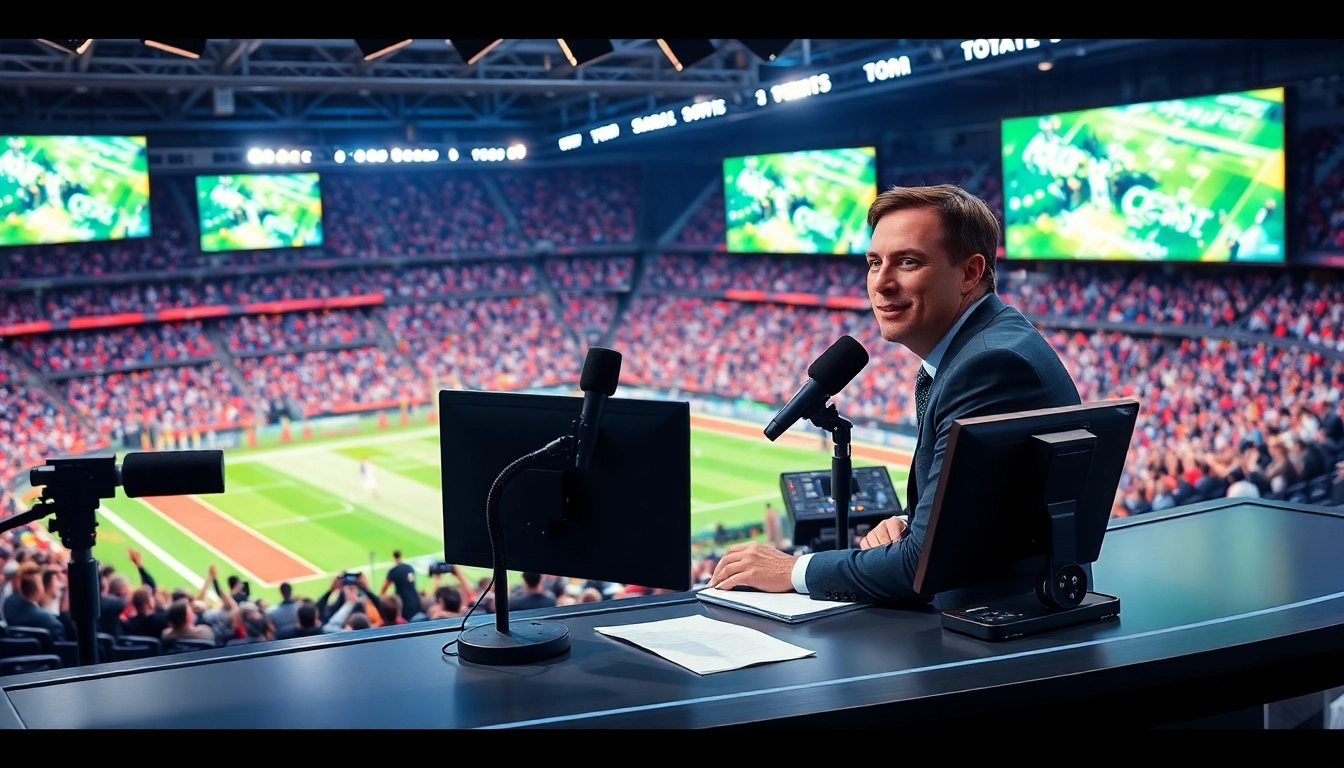
Understanding the Basics of Sports Broadcasting
What is Sports Broadcasting?
Sports broadcasting is the dissemination of sporting events via media channels, primarily television, radio, and online platforms. It encompasses play-by-play commentary, analysis, interviews, and highlights of games, making it accessible to fans around the globe. This genre plays a pivotal role in connecting audiences with their favorite sports and athletes. Sports Broadcasting has evolved significantly, particularly with the rise of digital media, which has transformed how fans consume sports content. By providing real-time updates and personalized experiences, it enhances viewer engagement in unprecedented ways. For a deeper dive into this fascinating field, Sports Broadcasting offers a treasure trove of information.
The Role of Technology in Sports Broadcasting
Technology is at the forefront of sports broadcasting, enabling a richer and more immersive viewer experience. From high-definition cameras and drones capturing aerial views of events to augmented reality graphics that provide real-time statistics, advancements in technology have transformed the landscape. Innovations like instant replay, slow-motion capabilities, and multi-angle viewing options have set new benchmarks for sports presentations. The integration of social media platforms facilitates viewer interaction, allowing fans to engage during live broadcasts. Furthermore, AI-powered analytics play a crucial role in enhancing content delivery and viewer insight, making broadcasts more engaging and informative.
Key Skills for Sports Broadcasters
Successful sports broadcasters must possess a unique blend of skills. First and foremost is strong communication ability, as broadcasters need to articulate their thoughts clearly and engagingly during live events. They must also develop strong analytical skills to provide insightful commentary and statistical analysis. Knowledge of various sports is critical, allowing broadcasters to connect with the audience and deliver contextually relevant information. Furthermore, adaptability is essential; broadcasters must be quick on their feet, adjusting to the unfolding live action and handling unexpected scenarios. Lastly, familiarity with broadcasting equipment and technology is crucial to ensure seamless productions.
Elements of Successful Sports Broadcasting
Essential Equipment for Sports Broadcasting
Proper equipment is indispensable for effective sports broadcasting. At the heart of any broadcast setup are high-quality cameras capable of capturing crisp images in various conditions. Audio equipment, including microphones and sound mixers, ensures that commentary is clear and engaging. Video switches and graphics software are also crucial, allowing for dynamic replay features and graphics integration that enhance the viewing experience. Additionally, reliable broadcast transmitters and encoders are essential to ensure seamless live streaming, especially for online sports channels. Finally, having backup equipment is wise, as technical failures can disrupt live broadcasts.
Crafting Engaging Commentary
Crafting commentary that captivates audiences requires an artful blend of storytelling and factual reporting. Broadcasters should strive to create a narrative that not only explains the game but also evokes emotions. Techniques such as highlighting player backgrounds, making comparisons with past performances, and offering predictions can enrich the storytelling aspect. Furthermore, varying vocal tones and pacing during broadcasts can keep the audience engaged. Consistent practice, thorough preparation, and feedback from peers are essential for honing these commentary skills. Good broadcasters know their audience and tailor their commentary to fit different demographics, ensuring that everyone finds enjoyment in the broadcast.
Visual Storytelling Techniques
Visual storytelling is an integral part of sports broadcasting. Using video footage, graphics, and animations helps to illustrate critical moments and player metrics. Effective storytelling also relies on the strategic placement of graphics that complement the broadcast without overwhelming viewers. Overlaying live statistics, player bios, and team history during pivotal game moments enriches the audience’s understanding and enjoyment of the event. Combining these visual elements with live commentary can create a compelling narrative that enhances overall viewer engagement. Enhancing the viewer experience through visual storytelling effectively connects the audience emotionally to the game.
Challenges in Sports Broadcasting
Navigating Live Broadcast Obstacles
Live sports broadcasting is fraught with challenges, and broadcasters must be prepared to tackle a range of obstacles. Environmental factors such as weather conditions can significantly impact live transmissions. Technical difficulties like equipment malfunction can occur without warning, requiring quick thinking and troubleshooting from the broadcast team. Moreover, unanticipated events during the game, such as player injuries or unexpected plays, necessitate broadcasters to maintain composure while still delivering content. A strong understanding of crisis communication can prepare broadcasters, as it helps them manage unexpected situations smoothly while ensuring that the broadcast remains engaging.
Dealing with Technical Difficulties
Technical difficulties are a perennial challenge in sports broadcasting. Interruptive signal failures, camera malfunctions, and audio issues can greatly detract from the broadcast quality. To mitigate these risks, teams should prioritize regular equipment maintenance and conduct thorough pre-broadcast tests. The implementation of redundant systems, such as backup audio feeds and cameras, can ensure a seamless production even in the event of failures. Broadcasters must also develop quick problem-solving skills to handle technical glitches when they occur, ensuring the audience remains engaged while issues are being resolved.
Audience Engagement Issues
Engaging an audience in today’s fast-paced media landscape poses significant difficulties for sports broadcasters. Viewers are no longer passive consumers; they seek interactive experiences. Broadcasters must adapt their strategies to maintain attention, such as integrating real-time social media interactions into their broadcasts or providing alternate viewing options, like multiple camera angles. Additionally, creating community-driven content can foster deeper connections with fans. By creating opportunities for audience participation through polls, chats, and contests, broadcasters can enhance viewer experience and foster a sense of loyalty and community around their brand.
Trends Shaping the Future of Sports Broadcasting
The Impact of Streaming Services
The rise of streaming services has revolutionized the broadcast landscape. Fans can now access games on various devices, expanding the reach of sports beyond traditional platforms. This shift has led to an increase in subscription models, where viewers can choose the content that interests them the most, rather than being limited to local broadcasts. Additionally, streaming services often provide access to a broader range of sports, catering to niche interests for die-hard fans. As viewership habits continue to evolve, traditional broadcasters must adapt to this new reality by enhancing their digital offerings and exploring partnerships with streaming platforms.
Emerging Technologies in Sports Media
Emerging technologies such as virtual reality (VR), augmented reality (AR), and artificial intelligence (AI) are reshaping sports broadcasting. VR offers fans immersive experiences, allowing them to “attend” games from the comfort of home. AR can overlay additional information about gameplay in real-time, enhancing the viewer experience. AI-driven analytics help broadcasters understand viewer behavior, tailoring content to fit audience preferences more effectively. These technologies not only enhance viewer engagement but also create personalized experiences, making sports broadcasting more accessible and enjoyable than ever.
Staying Relevant in a Competitive Market
The competitive market of sports broadcasting necessitates continual innovation and adaptation. Broadcasters must stay ahead of industry trends to remain relevant. This includes investing in new technologies, developing unique content formats, and understanding audience preferences through market research and data analytics. Collaborating with sports leagues and teams to create exclusive content can also differentiate broadcasters in a crowded market. Providing additional value, such as behind-the-scenes footage, interviews, and in-depth analysis will cultivate viewer loyalty and enhance engagement.
FAQs in Sports Broadcasting
What equipment is essential for sports broadcasting?
Essential equipment includes high-definition cameras, microphones for audio clarity, video switches, graphics software for on-screen stats, and reliable encoders for live streaming.
How do I improve my commentary skills for sports?
Improving commentary skills involves practicing voice modulation, studying game strategies, analyzing previous broadcasts, and receiving constructive feedback from experienced peers.
What are common challenges faced in live sports broadcasting?
Common challenges include managing technical difficulties, navigating environmental issues, and maintaining audience engagement during unexpected game developments.
How has streaming changed sports broadcasting?
Streaming services have expanded audience reach, introduced subscription models, offered diverse sports content, and provided fans flexible viewing options, altering traditional broadcast dynamics.
What skills should aspiring sports broadcasters develop?
Aspiring broadcasters should focus on communication, analytical skills, sports knowledge, adaptability for live situations, and proficiency in using broadcasting technology and equipment.